

Selling a property is one of the most important steps in every individual's life. Along with resolving title deeds, checking encumbrances and advertising, one document has become an indispensable part of every buying and selling process – the energy certificate. Although it is sometimes seen as "just another piece of paper" in a series of bureaucratic requirements, its role is much more significant than it seems at first glance.
In this text, we bring you a detailed guide on what an energy certificate is, why it is legally required, how to obtain it and how it affects the market value of your apartment or house.
What exactly is an energy certificate?
An energy certificate is a kind of "identity card" of a building that provides a clear insight into the energy properties of a property. Its primary purpose is to inform a future buyer or tenant about how much energy a building or apartment consumes for heating, cooling, ventilation, hot water preparation and lighting.
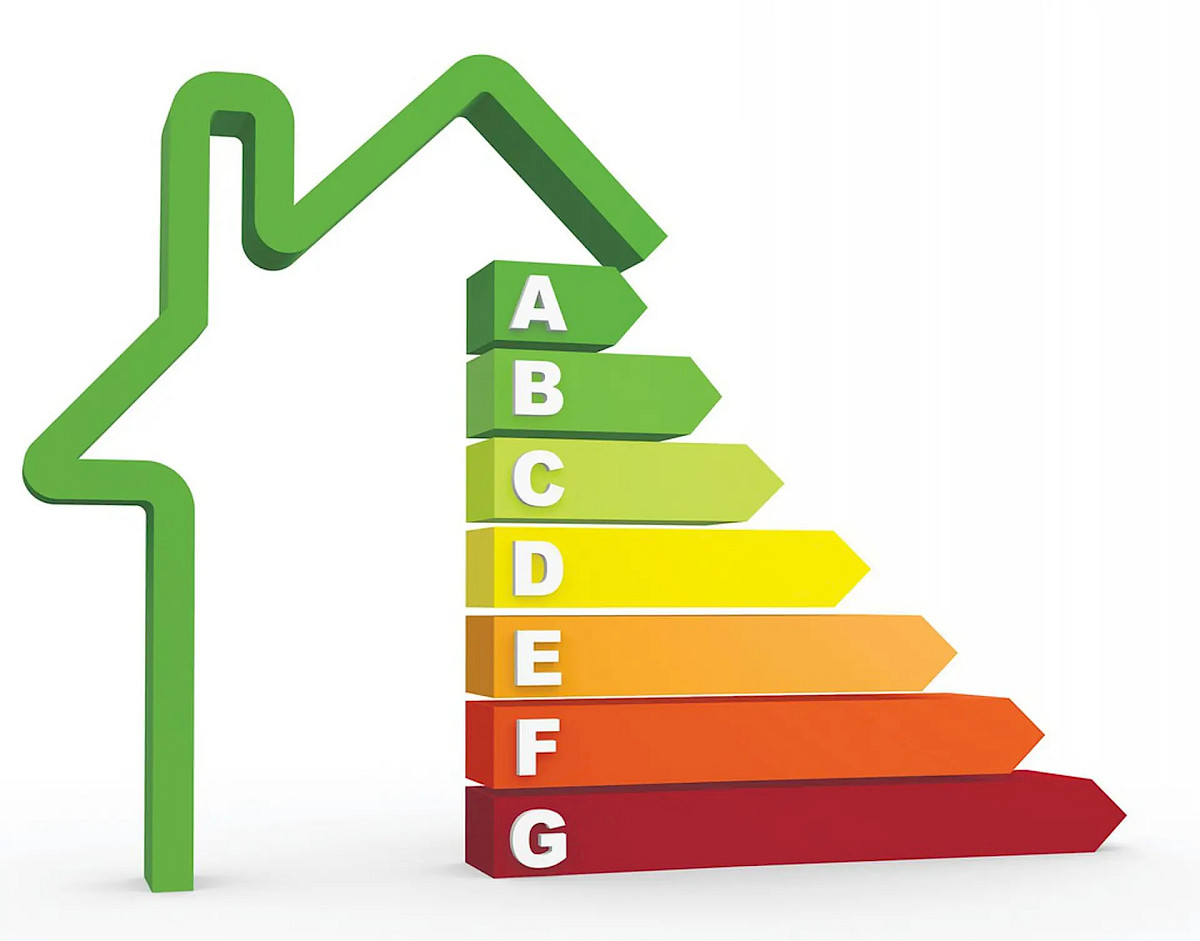
The certificate contains an energy efficiency rating shown through an energy class on a scale from A+ (the most energy-efficient) to G (the least energy-efficient). In addition to the assessment itself, the document also contains proposals for measures to economically justify energy efficiency improvements, which can serve as a clear roadmap for owners for future renovations.
Legal obligation: When do you really need a certificate?
Since Croatia's entry into the European Union in 2013, the rules have been clear. The owner of a property being sold is required to obtain an energy certificate before selling it and present it to a potential buyer.
There are three key moments when a certificate is mandatory:
When advertising: When publishing an advertisement in the media (real estate portals, newspapers, social networks), the owner is required to state the energy class of the property.
Before concluding a contract: The buyer has the right to receive a certificate for inspection before signing the purchase contract.
Upon handover: The original document is handed over to the buyer as part of the property documentation.
Penalties for non-compliance with the law are not negligible, and it is important to note that all apartments in buildings must have a certificate, regardless of their square footage, if the total usable area of the building is greater than 50 m².
Impact on property valuation
Although the energy class is not the only factor that determines the price, it has a significant impact on the buyer's perception and market value. High energy classes (A+, A, B) suggest modern construction, high-quality insulation and low monthly utilities. This gives the seller a strong argument for achieving a higher price.
On the other hand, properties in lower classes (E, F, G) often require additional investments in the facade, carpentry or heating systems. Buyers use this as a basis for negotiating a lower price, aware that they will have higher housing costs or expensive adaptations immediately after moving in. Today, buyers are more educated than ever and use the energy certificate as a tool for calculating the long-term profitability of the investment.
What does the obtaining process look like?
The process of issuing an energy certificate should not be stressful if you hire authorized experts. The process consists of several stages:
Collecting documentation: The owner should prepare architectural drawings (floor plan, cross-section), data on heating systems and, if possible, energy bills for the last three years.
On-site energy audit: An authorized certifier must personally visit the property. The thickness and type of insulation, the quality of the joinery (windows and doors), the condition of the roof, and the efficiency of the boilers, air conditioners, and lighting are inspected.
Calculations and analysis: Using specialized software, the expert calculates the specific annual thermal energy requirement.
Issuance of the certificate: The certificate is issued in digital and/or paper form, and the data is entered into the official information system.
The time required for production is usually from 3 to 7 days, and the document itself is valid for 10 years from the date of issue.
Which properties do not need a certificate?
The law provides for certain exceptions. An energy certificate is not required for:
- Buildings that are used less than four months a year (e.g. some holiday homes).
- Detached buildings with a total usable area of less than 50 m².
- Industrial plants, workshops, and agricultural buildings with low energy needs.
- Buildings that have a useful life of two years or less.
Seller Tip: Prepare Ahead
One of the most common mistakes is waiting until the last minute. Many sellers only order a certificate when they have found a buyer and want to finalize the contract. This can lead to unnecessary anxiety and delays in the sale.
It is recommended to obtain a certificate as soon as you decide to put your property on the market. In addition to avoiding legal sanctions when advertising, you will have a transparent document that will inspire confidence in any serious buyer. Also, don't forget that banks often offer